
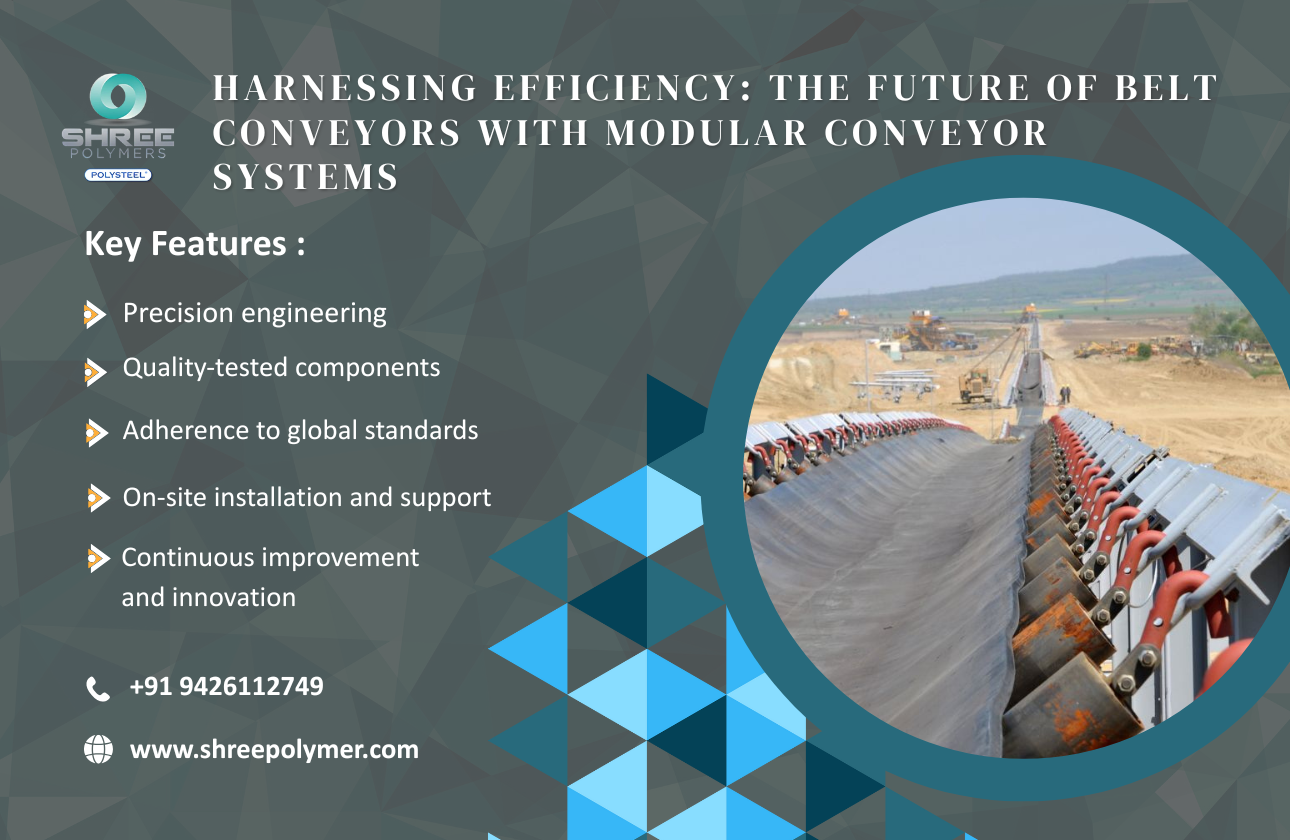
Harnessing Efficiency: The Future of Belt Conveyors with Modular Conveyor Systems
In the fast-paced realm of industrial operations, the demand for flexible, efficient, and cost-effective material handling solutions has never been higher. This necessity has propelled the belt conveyor to the forefront of modern manufacturing and distribution processes. Among the latest advancements, modular conveyor systems have emerged as a game-changer, offering unparalleled versatility and operational efficiency.
What are Modular Conveyor Systems?
Modular conveyor systems are highly adaptable transport mechanisms designed to move products or materials in a structured path. These systems stand out due to their modular nature, allowing for customizable setups that can be reconfigured rapidly to meet specific operational needs. The heart of these systems often lies in the modular conveyor belt, a crucial component that facilitates seamless transportation with minimal disruptions.
The Advantages of Belt Conveyors in Modular Systems
Traditional belt conveyors are lauded for their simplicity and reliability. By incorporating modular systems, these conveyors extend their utility through:
- Customizability: The modular nature allows for easy adaptation to different product sizes and handling requirements.
- Scalability: Businesses can scale their operations easily by adding or removing modules without significant infrastructure changes.
- Reduced Downtime: Modules can be swapped out swiftly, minimizing process interruptions during maintenance or reconfigurations.
- Cost-Effectiveness: With minimal need for extensive custom builds, modular conveyor systems offer a budget-friendly solution.
Applications Across Industries
Belt conveyors integrated with modular systems are revolutionizing various sectors, including:
- Automotive: Streamline the assembly line with flexible solutions that handle diverse components.
- Food and Beverage: Ensure hygiene and efficiency in transporting food products with easily cleanable components.
- Logistics: Optimize the sorting and distribution processes with quick adaptable conveyor paths.
- Pharmaceutical: Maintain strict compliance with transport solutions that prevent contamination.
The Future Outlook
As industries continue to innovate, the integration of modular systems with belt conveyors will likely become ubiquitous, driven by the need for agility and responsiveness. This technological synergy promises not only to improve the bottom line through enhanced efficiency but also to contribute to more sustainable and adaptable business operations.
In conclusion, embracing modular conveyor systems in harmony with traditional belt conveyors paves the way for a future where material handling is smarter, faster, and more economically viable. Industries stand to gain much from investing in these innovations, setting the stage for a more dynamic and prosperous operational framework.